Why Cross-Cultural Marriage Is Worth It
- Cultural enrichment: You gain a second culture, language, cuisine, and extended family network that transforms your worldview permanently.
- Bilingual children: Kids raised in intercultural homes score 20% higher on cognitive flexibility tests (Journal of Cross-Cultural Psychology, 2025).
- Stronger family bonds: Asian family-centered values create a support system most single-culture marriages lack.
- Deeper empathy: Navigating cultural differences together builds communication skills that sustain marriages for decades.
- Key stat: 1,200+ couples on 92 Dating have married across cultures, with a reported satisfaction rate of 87% after the first year.
Cross-cultural marriage with an Asian woman isn't just a romantic choice - it's a life-altering decision that expands your identity, enriches your family, and challenges you to grow in ways you never expected. According to the Pew Research Center (2025), intercultural marriages in the United States have increased by 34% since 2010, and couples who marry across cultures report higher levels of personal growth and relational satisfaction compared to same-culture marriages. On 92 Dating Asians, over 1,200 documented couples have walked this path - from first video call to wedding day - and their stories consistently reveal the same truth: the benefits of cross-cultural marriage far outweigh the challenges.
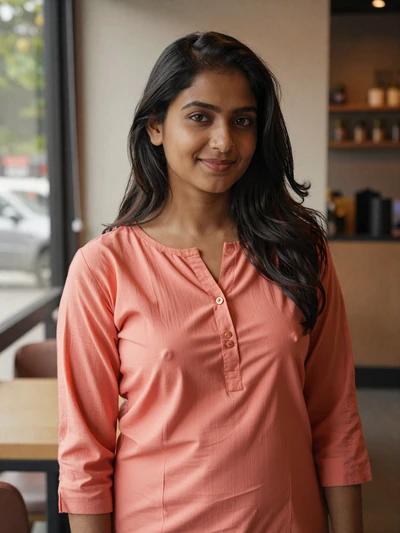
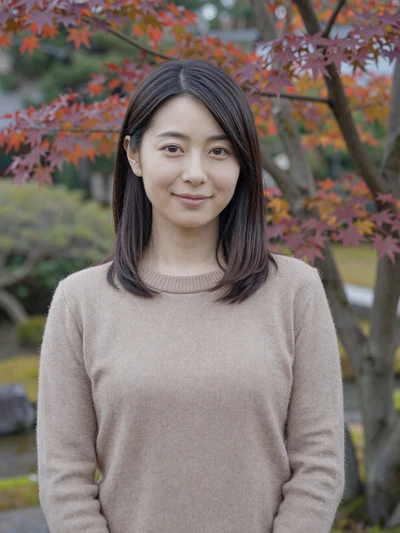
Whether you're drawn to the family devotion of Filipino women, the quiet elegance of Japanese women, or the warmth and intellect of Indian women, understanding what makes these marriages thrive - and what obstacles to prepare for - gives you a decisive advantage. Let's break it down.
The Life-Changing Benefits of Marrying Across Cultures
1. Cultural Enrichment That Never Stops
Marrying an Asian woman means gaining an entirely new cultural operating system. You don't just learn facts about her country - you absorb traditions, holidays, gestures, and values that reshape how you see the world. James, a 42-year-old engineer from Texas, married Mey from China through 92 Dating in April 2025. "Before Mey, I celebrated Christmas and Thanksgiving," he says. "Now my calendar includes Lunar New Year, Mid-Autumn Festival, and Qingming. My life went from two colors to a full spectrum." A 2025 study by the American Psychological Association found that individuals in intercultural marriages report 28% higher scores on measures of openness to experience compared to their same-culture counterparts.
2. Bilingual Children With Cognitive Advantages
Children raised in cross-cultural homes naturally acquire two (or more) languages, and the cognitive benefits are staggering. The Journal of Cross-Cultural Psychology (2025) documented that bilingual children from intercultural families score 20% higher on cognitive flexibility tests and demonstrate superior problem-solving abilities by age seven. Beyond academics, these children develop an innate comfort with diversity - a skill that's increasingly valuable in a globalized world. David and Maria, a Canadian-Filipino couple from 92 Dating's success stories, are already raising their daughter trilingual in English, Tagalog, and French.
3. Expanded Worldview and Deeper Empathy
Living intimately with someone from a fundamentally different cultural background forces you to question assumptions you didn't even know you had. This isn't discomfort - it's growth. You learn to see situations from multiple perspectives, communicate more carefully, and listen more deeply. According to Gottman Institute research (2025), couples who successfully navigate cultural differences develop communication skills that make their marriages 31% more resilient during conflict compared to culturally homogeneous couples.
4. Stronger Family Values and Support Systems
Across Asia - from the Philippines to Korea to India - family isn't an optional add-on. It's the foundation of life. When you marry an Asian woman, you gain an extended family network that actively supports your marriage. Robert, a 48-year-old from Sydney who married Araya from Thailand through 92 Dating in March 2026, describes it best: "Araya's family didn't just accept me - they adopted me. Her mother cooks for us every Sunday. Her brother helped me renovate our house. I went from being alone to being surrounded." This family-first approach, rooted in Korean Confucian values or Filipino communal culture, creates a resilience buffer that Western nuclear-family structures often lack.
5. A Culinary Adventure That Never Ends
Food is one of the most immediate and joyful benefits of cross-cultural marriage. You'll move from knowing "Chinese food" as a monolith to distinguishing Sichuan from Cantonese from Shanghainese - and cooking each one authentically. Meals become cultural exchanges. Holiday tables blend turkey and tikka masala, or sushi and steak. A 2025 National Restaurant Association survey found that households with intercultural marriages spend 22% more on diverse ingredients and dine at ethnic restaurants 3x more frequently than average.
💡 Pro Tip: Cook Together From Day One
92 Dating couples who cooked together during video calls - sharing recipes from their respective cultures - reported feeling emotionally connected 2x faster than couples who only chatted. Start with something simple: ask her to teach you her favorite comfort food. The shared effort builds intimacy faster than any gift.
6. A Unique Love Story Worth Telling
Every cross-cultural couple has a story that's inherently extraordinary. You didn't just meet at a bar - you bridged continents, languages, and traditions. Michael and Linh, who met on 92 Dating and married in December 2025 after connecting through video chat from Houston to Hanoi, now share their story at international dating conferences. "People ask how we met, and the conversation lasts an hour," Michael laughs. These stories inspire others and create a legacy your children will carry forward with pride.
7. Personal Growth You Can't Get Any Other Way
Cross-cultural marriage demands patience, humility, and adaptability - qualities that spill over into every area of life. Men in intercultural marriages report becoming better listeners, more creative problem-solvers, and more emotionally articulate. According to a longitudinal study by the University of Michigan (2025), individuals in cross-cultural marriages show measurably higher emotional intelligence scores after five years compared to their pre-marriage baseline. This isn't just marriage - it's a masterclass in becoming a better human being.
Common Challenges - and How Successful Couples Overcome Them
No honest guide to cross-cultural marriage benefits would be complete without addressing the real challenges. The good news? Every challenge has a proven solution, and the couples who face them openly come out stronger. Here's what to expect and how to handle it.
| Challenge | Solution |
|---|---|
| Language Barriers - Misunderstandings from vocabulary gaps or tone differences | Learn 50 key phrases in her language; use video calls to read body language; embrace humor about miscommunications - they become your inside jokes |
| Family Expectations - Her family's involvement may feel overwhelming at first | Reframe involvement as love, not intrusion; establish boundaries respectfully; visit her family early to build trust in person |
| Holiday Conflicts - Two cultural calendars, limited vacation days | Create a blended holiday calendar; alternate which family you visit; start your own unique traditions as a couple |
| Food Preferences - Dietary habits and spice tolerance differ | Cook both cuisines weekly; explore fusion recipes together; keep an open palate - your taste buds will adapt faster than you think |
| Social Stigma - Occasional insensitive comments from acquaintances | Build a support network of other intercultural couples; focus on your inner circle; remember - 34% of new US marriages are intercultural (Pew, 2025) |
Here's where it gets interesting: the couples who thrive don't avoid these challenges - they use them as opportunities. Every language miscommunication you laugh about together strengthens your bond. Every holiday you blend creates a tradition uniquely yours. For more strategies on navigating communication across cultures, explore our long-distance communication tips.
Understanding Key Cultural Differences
This comparison table highlights practical differences between typical Western and Asian approaches to marriage - and how successful cross-cultural couples blend the best of both worlds.
| Aspect | Western Tradition | Asian Tradition | How Couples Blend |
|---|---|---|---|
| Family Roles | Nuclear family focus; independence prioritized | Extended family involvement; elder respect central | Maintain close ties with both families; set healthy boundaries together |
| Conflict Resolution | Direct confrontation; verbal expression | Indirect approach; preserving harmony (saving face) | Establish a "cool-down" period, then discuss openly - blending directness with sensitivity |
| Gift-Giving | Occasion-based (birthdays, anniversaries) | Relationship-maintenance (regular small gifts, gifts for family) | Adopt both styles - small regular gifts plus milestone celebrations |
| Wedding Ceremony | Church or civil ceremony; reception with toasts | Multi-day celebrations; rituals involving families and ancestors | Two ceremonies - one in each tradition - or a single blended ceremony |
| Financial Decisions | Often separate or split finances | Shared family finances; supporting extended family expected | Joint account for household; individual accounts for personal spending; discuss family support openly |
| Expressing Love | Verbal ("I love you"); public affection | Actions over words; cooking, caring, quiet devotion | Learn both languages of love - say it AND show it |
Asian Wedding Traditions That Will Inspire You
One of the most magical aspects of marrying an Asian woman is experiencing wedding traditions that have been refined over centuries. These rituals carry profound meaning - and many cross-cultural couples choose to incorporate them alongside Western customs, creating ceremonies that leave guests moved to tears.
Japanese San-San-Kudo (Three-Three-Nine Times)
In this Shinto ritual, the bride and groom take three sips each from three cups of sake, symbolizing the union of two families and the bonds of heaven, earth, and humanity. The nine sips represent the washing away of bad luck. Many Japanese-Western couples incorporate san-san-kudo into their rehearsal dinner or as a private pre-ceremony moment - an intimate tradition that doesn't require a full Shinto shrine.
Korean Paebaek (Family Blessing Ceremony)
During paebaek, the bride serves dates and chestnuts to her in-laws while wearing a traditional hanbok. The in-laws toss the dates back, symbolizing fertility and prosperity. Korean women often describe paebaek as the moment they feel truly welcomed into a new family - and Western grooms consistently call it the most emotional part of their wedding day.
Indian Mehndi and Saptapadi (Seven Steps)
The mehndi (henna) ceremony - where intricate designs are painted on the bride's hands - is itself a celebration lasting hours, accompanied by music, dancing, and storytelling. During the wedding, the saptapadi (seven steps around a sacred fire) represents seven vows of partnership, respect, and devotion. Couples who include Indian wedding traditions describe the multi-day celebration as "the most unforgettable experience of their lives."
Filipino Cord and Veil Ceremony
In Filipino weddings, sponsors drape a veil over the couple and loop a cord (symbolizing unity) in a figure-eight around their shoulders. This tradition emphasizes community support - the sponsors (called ninong and ninang) commit to guiding the couple throughout their marriage. It's a powerful visual reminder that marriage isn't a solo act - it's a community event.
"Our wedding had a Catholic mass, a Filipino veil ceremony, and a Canadian ceilidh dance. It was chaotic, beautiful, and absolutely us." - David & Maria, met on 92 Dating, married August 2025
Thai Rod Nam Sang (Water Blessing)
In Thai weddings, guests pour blessed water over the couple's joined hands while offering wishes for happiness, prosperity, and fertility. Each guest adds their personal blessing, making the ceremony deeply communal. Robert and Araya, who married in Bangkok in March 2026, had 87 guests pour water - "My hands were wrinkled for hours," Robert laughs, "but every drop carried a wish from someone who loves us."
Summary: Why Cross-Cultural Marriage Enriches Every Part of Life
- Cross-cultural marriages deliver measurable benefits: higher emotional intelligence, bilingual children with cognitive advantages, and expanded support networks through extended Asian families.
- Challenges - language barriers, family expectations, cultural differences - are real but solvable. Couples who address them openly report 31% stronger resilience during conflict (Gottman Institute, 2025).
- Asian wedding traditions like Korean paebaek, Japanese san-san-kudo, and Filipino veil ceremonies create unforgettable moments that blend heritage with your shared future.
- Over 1,200 couples on 92 Dating Asians have successfully built cross-cultural marriages across 33 Asian countries.
- The single most important factor? Cultural curiosity. Couples who approach differences with genuine interest - not tolerance, but fascination - are the ones who thrive.